
As the seasons change in Englewood, Ohio, your home's locks and security systems face different challenges that can lead to unexpected emergencies. From freezing temperatures in winter to humid summers, each season brings unique threats to your locks' functionality. At Main St Locksmith, we've responded to countless emergency calls that could have been prevented with simple seasonal maintenance. This comprehensive guide will walk you through essential lock care tips for every season, helping you avoid emergency locksmith situations and keep your home secure year-round.
Why Seasonal Lock Maintenance Matters
Your locks are exposed to the elements every single day, making them vulnerable to weather-related wear and tear. Temperature fluctuations, moisture, debris, and seasonal changes can cause locks to stick, freeze, corrode, or fail completely. Regular maintenance not only prevents inconvenient lockouts but also extends the life of your locks and enhances your home's security. A well-maintained lock functions smoothly, provides better protection against break-ins, and saves you from costly emergency service calls in the middle of the night.
Most homeowners don't think about their locks until they stop working. However, proactive maintenance takes just a few minutes each season and can prevent the frustration and expense of emergency situations. Whether you're dealing with a frozen deadbolt in January or a corroded lock in August, seasonal care makes all the difference.
Spring Lock Maintenance Checklist
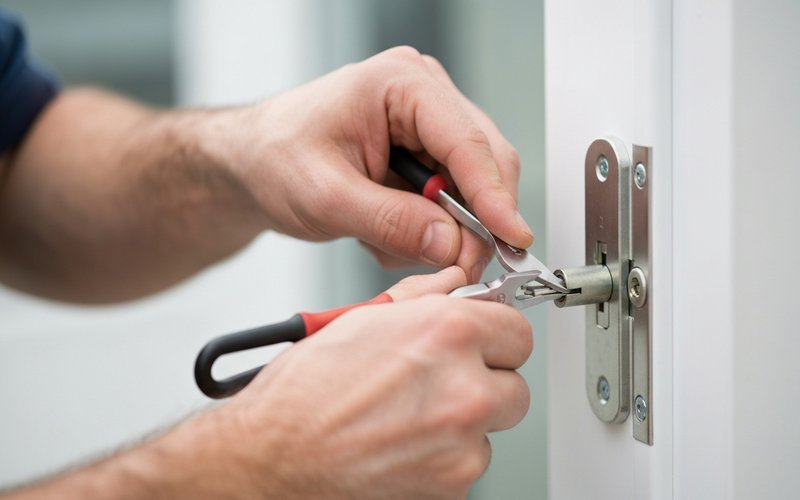
Spring in Englewood brings rain, pollen, and temperature swings that can affect your locks' performance. After a harsh Ohio winter, your locks need attention to ensure they're ready for the warmer months ahead.
Inspect for Winter Damage
Begin by examining all exterior locks for signs of winter damage. Look for rust, corrosion, or moisture buildup inside the lock mechanism. Check weatherstripping around doors, as damaged seals allow moisture to reach your locks. Test each key in every lock to ensure smooth operation—any sticking or resistance indicates a problem that needs addressing.
Deep Clean and Lubricate
Spring is the perfect time for a thorough cleaning. Use compressed air to blow out debris, pollen, and dirt that has accumulated in the lock cylinder. Avoid using water-based cleaners, which can cause rust. Instead, apply a graphite-based lubricant or a silicone spray specifically designed for locks. Insert your key and turn it several times to distribute the lubricant evenly throughout the mechanism.
Key Maintenance
Inspect all your keys for wear, bending, or damage. Worn keys can damage lock tumblers and cause them to fail. If you notice any keys showing significant wear, have duplicates made before they break inside a lock. Clean your keys with a soft cloth and mild soap, then dry them thoroughly.
Summer Security and Maintenance Tips
Summer heat and humidity present unique challenges for locks in Englewood. High temperatures can cause metal components to expand, while humidity promotes rust and corrosion.
Combat Humidity and Corrosion
Humidity is your locks' worst enemy during Ohio summers. Apply a thin coat of protective lubricant to all exterior locks monthly during humid months. Pay special attention to locks on sheds, garages, and other outdoor structures that face direct sun exposure. Consider installing protective covers or awnings over exposed locks to shield them from direct sunlight and rain.
Vacation Security Checks
Before leaving for summer vacation, test all locks thoroughly. Ensure deadbolts extend fully and doors close securely. Check that sliding door locks engage properly and window locks function correctly. This is also an excellent time to verify that spare keys are accessible to trusted neighbors or family members in case of emergency.
Address Sticking Locks Immediately
If any lock feels sticky or difficult to turn during summer, address it immediately. Heat expansion combined with dirt can cause locks to seize completely. A lock that works 90% of the time will fail at the worst possible moment—usually when you're in a hurry or it's late at night.
Fall Preparation for Lock Performance
Fall is the ideal season to prepare your locks for winter's harsh conditions. Taking preventive steps now will help you avoid frozen locks and emergency situations during the coldest months.
Weatherproofing Your Locks
Inspect and replace worn weatherstripping around all exterior doors. Proper seals prevent moisture, wind, and debris from reaching your locks. Apply a weather-resistant lubricant to all outdoor locks, focusing on garage doors, shed locks, and any locks exposed to the elements. This creates a protective barrier against upcoming winter moisture.
Test Emergency Access Points
Fall is the perfect time to verify that all family members can access the home through multiple entry points. Test backup keys, ensure everyone knows where spare keys are located, and confirm that electronic locks have fresh batteries. Make sure outdoor lighting is functional near all entry points, as darker fall evenings make it harder to use locks safely.
Professional Lock Assessment
Consider scheduling a professional assessment with Main St Locksmith before winter arrives. We can identify potential problems, recommend upgrades for aging locks, and ensure your entire security system is winter-ready. This proactive approach prevents emergency calls during freezing temperatures when lock problems are most common.
Winter Lock Protection Strategies
Winter presents the most challenging conditions for locks in Englewood. Freezing temperatures, ice, and snow can cause locks to freeze solid, leaving you locked out in dangerous cold.
Prevent Frozen Locks
Never use water-based lubricants on locks during winter—they'll freeze and make the problem worse. Instead, use graphite powder or a de-icing lubricant designed specifically for locks. Keep lock de-icer handy in your car and garage, but never in your house (since you need it when locked out). Apply a small amount of glycerin to your key before inserting it into outdoor locks during freezing weather.
Deal with Frozen Locks Safely
If a lock freezes, never force it—you could break your key inside the cylinder. Instead, warm your key with a lighter or match, then gently insert it into the lock. The heat transfers to the lock mechanism, melting ice. You can also use a hairdryer to warm the lock from the outside. Lock de-icer spray works quickly but should be used sparingly to avoid damaging internal components.
Protect Smart Locks and Electronic Systems
Electronic and smart locks face unique winter challenges. Cold temperatures drain batteries faster, and condensation can damage electronic components. Replace batteries in all electronic locks at the beginning of winter, and keep spares readily available. Ensure electronic locks have adequate weather protection and that backup mechanical entry methods work properly.
Common Lock Problems and Prevention
Understanding common lock issues helps you recognize problems before they become emergencies. Here are the most frequent lock problems we encounter at Main St Locksmith and how to prevent them.
Key Breakage
Broken keys inside locks are a leading cause of emergency calls. Keys break due to wear, force, or manufacturing defects. Prevent this by replacing worn keys immediately, never forcing a sticky lock, and using your key properly (straight insertion and smooth turning). Keep copies of all important keys in secure locations.
Lock Cylinder Freezing
Beyond winter freezing, lock cylinders can also "freeze" due to dirt accumulation and lack of lubrication. Regular cleaning and proper lubrication prevent this problem year-round. If a lock consistently sticks, don't wait—have it serviced before it fails completely.
Misaligned Door Locks
Seasonal temperature changes cause doors to expand and contract, leading to misalignment. If your deadbolt doesn't slide smoothly into the strike plate, the door may have shifted. This puts stress on the lock and can cause failure. Address alignment issues promptly by adjusting the strike plate or having the door realigned professionally.
Frequently Asked Questions About Locksmith Services
How much is a locksmith an hour?
Locksmith rates in Englewood typically range from $75 to $150 per hour, depending on the service type and timing. Emergency calls, especially during nights, weekends, or holidays, cost more than scheduled maintenance visits. At Main St Locksmith, we provide transparent pricing before starting any work, so you'll never face surprise charges.
How much should I tip a locksmith?
Tipping isn't required but is appreciated for exceptional service. If you choose to tip, $10-$20 is appropriate for standard services, while 10-15% is generous for larger jobs. Tips are most common for emergency services where the locksmith arrived quickly or went above and beyond.
What locks can locksmiths not open?
Professional locksmiths can open nearly all locks, but some high-security locks and specialty safes require specific tools or authorization. Certain electronic locks with encrypted systems may need manufacturer intervention. However, legitimate locksmiths can handle 99% of residential and commercial locks you'll encounter.
Do you need a license to be a locksmith in Ohio?
Ohio doesn't require state licensing for locksmiths, but reputable professionals pursue voluntary certifications through organizations like the Associated Locksmiths of America (ALOA). Always choose a locksmith with proper insurance, verifiable credentials, and established local presence to ensure quality and trustworthiness.
What to do if you can't afford a locksmith?
If you're locked out and concerned about cost, call Main St Locksmith for a quote first. We often provide solutions more affordably than you'd expect. For non-emergency situations, you might wait until business hours when rates are lower, ask family or friends with spare keys, or contact your landlord or property manager if you're renting.
Do locksmiths make 100K?
Experienced locksmiths in specialized fields can earn six figures, particularly those handling commercial security systems or emergency services. However, income varies widely based on location, specialization, and business model. What matters most for customers is choosing a skilled, reliable locksmith regardless of their income level.
Emergency Preparedness: What Every Homeowner Should Know
Even with excellent maintenance, lock emergencies can happen. Being prepared minimizes stress and potential damage.
Create a Lock Emergency Plan
Store spare keys with trusted neighbors, family members, or in secure lock boxes. Keep Main St Locksmith's contact information in your phone and wallet. Document which family members have keys to which locks. Consider installing a smart lock with remote access capabilities as a backup entry method.
Know When to Call a Professional
Some lock problems require immediate professional attention. Call Main St Locksmith right away if a key breaks inside a lock, you suspect lock tampering, a lock won't engage properly, or you've lost keys and are concerned about security. Don't attempt complex repairs yourself—you could cause additional damage and increase costs.
Recognize Security Red Flags
During seasonal maintenance, watch for signs of tampering: scratches around the keyhole, difficulty locking that appears suddenly, or keys that work inconsistently. These could indicate attempted break-ins or serious mechanical failure requiring immediate attention.
Upgrade Considerations for Better Security
Seasonal maintenance is also the perfect opportunity to evaluate whether your locks meet your current security needs.
When to Replace vs. Repair
Locks older than 10 years, locks that frequently malfunction, or locks showing significant wear should be replaced rather than repaired. Modern locks offer superior security features and often function more reliably. If you're spending money on repairs every season, replacement is the more cost-effective choice.
Smart Lock Benefits
Smart locks eliminate many seasonal maintenance issues while providing enhanced security and convenience. They don't freeze, don't require keys (which can break or get lost), and allow remote access. Many models also provide activity logs, temporary access codes for guests, and integration with home security systems.
High-Security Lock Options
For valuable homes or high-crime areas, consider upgrading to high-security locks with pick-resistant cylinders, reinforced strike plates, and drill-resistant components. These locks withstand both weather extremes and forced entry attempts better than standard residential locks.
Conclusion: Prevention Saves Money and Stress
Regular seasonal lock maintenance is a small investment that prevents costly emergency situations. By following these tips throughout the year, you'll extend your locks' lifespan, maintain your home's security, and avoid the frustration of unexpected lockouts. Remember that a few minutes of care each season protects your family and property year-round.
At Main St Locksmith, we're here to help Englewood residents with all their lock and security needs. Whether you need emergency assistance, seasonal maintenance, or security upgrades, our experienced team provides reliable, professional service at 5 Main St, Englewood, OH 45322. Don't wait for an emergency—contact us today to schedule a comprehensive lock assessment and ensure your home stays secure through every season. For immediate assistance or to schedule a maintenance appointment, call Main St Locksmith now and experience the peace of mind that comes with properly maintained, high-quality locks.